A 1. What are cosmetic peptides?
Cosmetic peptides are small chains of amino acids that support skin health by stimulating collagen production, reducing wrinkles, and enhancing skin elasticity.
2. How do peptides benefit the skin?
Peptides signal the skin to produce more collagen, which leads to firmer, younger-looking skin. They also help to smooth out fine lines and improve skin texture.
3. What makes Chinese cosmetic peptides unique?
Chinese cosmetic peptides are known for their innovative formulations and competitive pricing, providing high-quality, effective skincare solutions.
4. Are there different types of cosmetic peptides?
Yes, there are many types of cosmetic peptides, each with a specific function, such as collagen-boosting peptides, anti-wrinkle peptides, and hydration peptides.
5. Why are peptides considered effective in anti-aging products?
Peptides are effective in anti-aging products because they communicate with skin cells, promoting collagen production and skin repair, which helps reduce signs of aging.
6. How are cosmetic peptides developed in China?
In China, cosmetic peptides are developed through cutting-edge biotechnology and rigorous research, ensuring high efficacy and safety standards.
7. Can peptides be used with other skincare ingredients?
Yes, peptides can be used alongside other skincare ingredients like hyaluronic acid and vitamin C to enhance their overall effectiveness.
8. Are cosmetic peptides safe for all skin types?
Most cosmetic peptides are safe for all skin types, but it's always best to do a patch test and consult a dermatologist if you have sensitive skin.
9. How soon can I expect to see results from using cosmetic peptides?
Results from cosmetic peptides can vary, but most people start to see improvements in their skin texture and elasticity within a few weeks of consistent use.
10. What should I look for when buying cosmetic peptides?
Look for reputable brands that highlight their peptide concentrations and sources, especially those produced in China, which offer a blend of traditional knowledge and modern innovation.



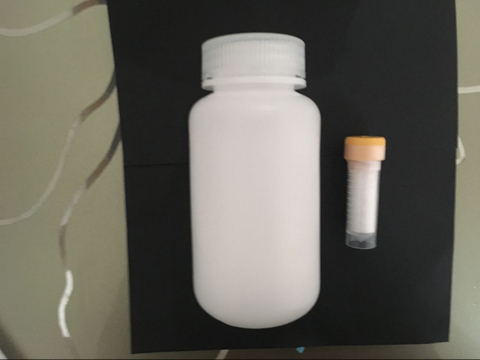 Recombinant Protein
